
Humiliation and Pleasure: A Deep Dive into the Psychology
By MacGregor
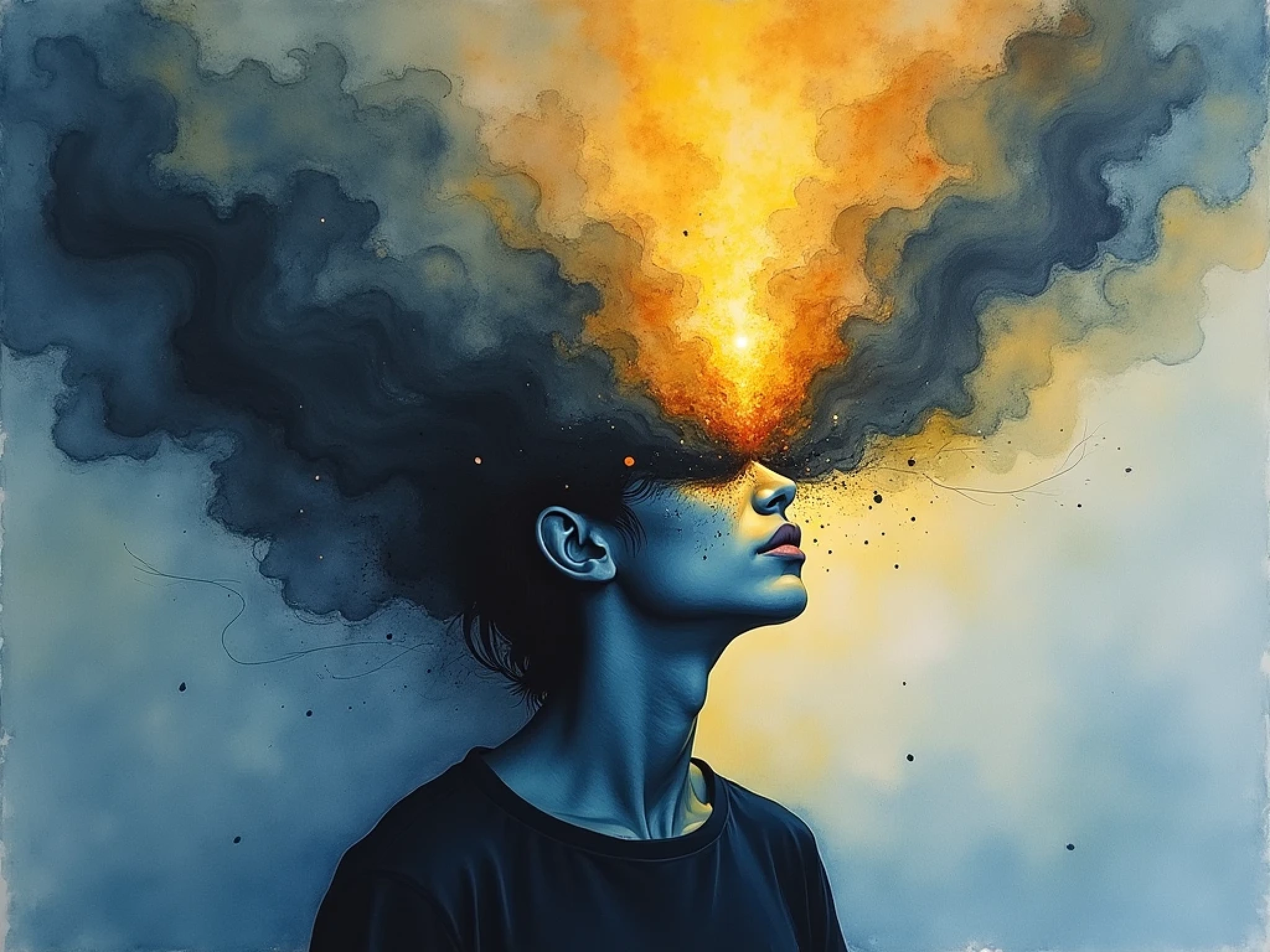
The connection between humiliation and pleasure may seem contradictory at first glance, yet within specific contexts—particularly BDSM (Bondage, Discipline, Dominance, Submission, Sadism, and Masochism) or kink-oriented play—humiliation can become a powerful source of arousal. Why does being degraded, laughed at, or exposed excite some people? What psychological mechanisms lie behind this experience? This article explores the emotional logic, neurochemical foundations, and social as well as personal origins of erotic humiliation from a psychological perspective.
1. Defining Humiliation and Pleasure
In BDSM or kink contexts, humiliation typically refers to behavior that intentionally provokes shame or embarrassment through verbal degradation (e.g., name-calling), actions (e.g., public exposure), or roleplay. Pleasure can be physical (e.g., sexual arousal) or psychological (e.g., intimacy, satisfaction). Crucially, such scenes must be based on explicit consent, practiced in a safe and controlled setting, and followed by aftercare to ensure emotional well-being.
Types of humiliation include:
- Mild humiliation: playful teasing, nicknames like “naughty one.”
- Intense humiliation: verbal degradation, staged failure, or “shame” scenarios in roleplay.

Regardless of its form, the interplay between humiliation and pleasure involves complex psychological and physiological interactions.
2. Psychological Mechanisms Behind Erotic Humiliation
1. The Dual Nature of Shame: From Pain to Liberation
Shame is a powerful emotion often associated with breaking social norms or feeling unworthy. Psychologist Gershen Kaufman, in Shame: The Power of Caring, notes that shame stems from the fear of being seen as defective or unaccepted. In daily life, shame is negative. In consensual BDSM, however, it is intentionally triggered and reframed.

Humiliating scenes provoke shame and vulnerability, but when paired with dominant care or ritualized settings, that shame can transform into intimacy or liberation.
This emotional rollercoaster creates intense psychological satisfaction. The shift from shame to acceptance resembles emotional catharsis—like feeling lighter after crying. The submissive, receiving care post-scene, may feel deeply validated and safe, leading to pleasure.
Example: A dominant insults the submissive (“You’re useless”), then gently reassures (“But I know you tried your best”), creating a powerful contrast that fuels satisfaction.
2. The Erotic Pull of Power Exchange
Humiliation often plays into power exchange. In D/s dynamics, dominants exert control through humiliation, while submissives experience arousal from surrendering. Psychologist Jesse Bering suggests that fascination with power may stem from our evolutionary history of social hierarchy.
- Dominant’s pleasure: control, authority, responsibility.
- Submissive’s pleasure: liberation through surrender. Roy Baumeister’s theory of “escape from self” explains how submission helps individuals temporarily release self-awareness, akin to meditation.
3. The Thrill of Breaking Taboos
Humiliation often involves violating societal norms—exposure, failure, or “moral downfall.” Psychologist Paul Gebhard noted that taboo behavior stimulates arousal because it challenges definitions of “acceptable” behavior.
Within a controlled environment, participants can explore repressed emotions like shame or vulnerability. This "permission to be imperfect" brings liberation. Adrenaline and dopamine released during taboo play heighten excitement.
Example: A submissive may be asked to admit a personal failure in front of others, experiencing a mix of embarrassment and exhilaration within the boundaries of safety.
4. Neurochemical Triggers
Humiliation scenes stir intense emotions, triggering brain chemistry. Shame, fear, and arousal release adrenaline and dopamine—creating a “high” similar to extreme sports. Aftercare fosters oxytocin release, boosting closeness and security.
Subspace: Submissives may enter a trance-like state due to emotional overload and endorphins—humiliation can be a powerful trigger for this altered state.
The tension from humiliation followed by the release of aftercare amplifies pleasure through contrast.
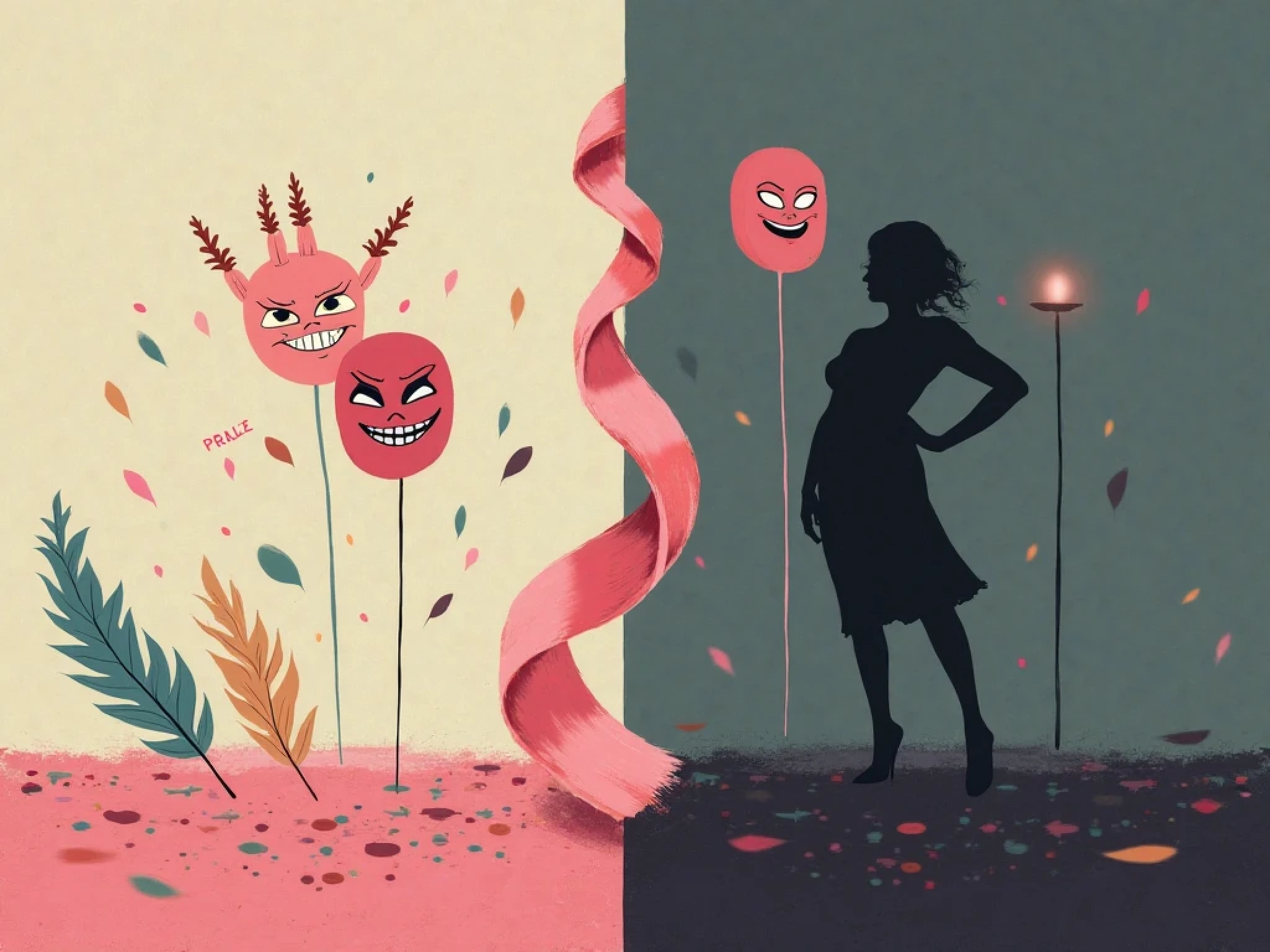
3. Psychological Roots of Erotic Humiliation
- Childhood experiences: Early socialization (e.g., harsh criticism, pressure to be “perfect”) can internalize shame, which is later externalized and processed safely through kink.
- Need for control and release: The pressure of modern life may lead individuals to crave safe surrender and emotional freedom.
- Self-exploration: Erotic humiliation helps individuals confront insecurity and taboo desires, facilitating self-acceptance. Psychologist Carl Rogers emphasized the importance of accepting the whole self for psychological well-being.
4. Ethics and Practice of Humiliation Kink
- Explicit consent: Discuss scene details, boundaries, and expectations beforehand.
- Safe words: Allow either party to stop the scene if needed.
- Aftercare: Support emotional recovery through cuddles, reassurance, or conversation.
- Respect boundaries: Humiliation thresholds vary—know and respect personal triggers.
5. Common Misconceptions and Social Perceptions
Humiliation kink is often misunderstood as abusive or pathological. However, research (e.g., Wismeijer & van Assen, 2013) shows that BDSM practitioners have equal or better mental health than the general population, with higher levels of openness and self-awareness.
- Myth 1: Humiliation kink is abuse. Consensual humiliation is distinct from non-consensual abuse.
- Myth 2: It stems from mental illness. It’s often a healthy expression of psychological needs, not a disorder.
- Myth 3: It lacks respect. These scenes rely heavily on trust and respect, building deep emotional bonds through communication.
6. Conclusion: The Complex Beauty of Humiliation and Pleasure
The interplay of humiliation and pleasure reveals emotional complexity: shame, vulnerability, and taboo become excitement, intimacy, and freedom in a consensual space. These scenes aren’t merely power rituals or neurochemical spikes—they're opportunities for self-exploration and connection.
Through erotic humiliation, participants face deep desires, shed societal pressure, and build trust-based intimacy. Whether you're a practitioner or curious observer, understanding the psychology behind humiliation kink can open your perspective to the diverse ways humans experience pleasure.
Humiliation kink is not simply a “fetish”—it is a psychological art of vulnerability, trust, and emotional liberation.
Author: MacGregor — Writer focusing on psychology and human behavior. Feel free to leave your thoughts or questions in the comments!
Note: This article is for educational purposes only and does not constitute psychological advice. For personal exploration, consult a qualified therapist or sexologist.